
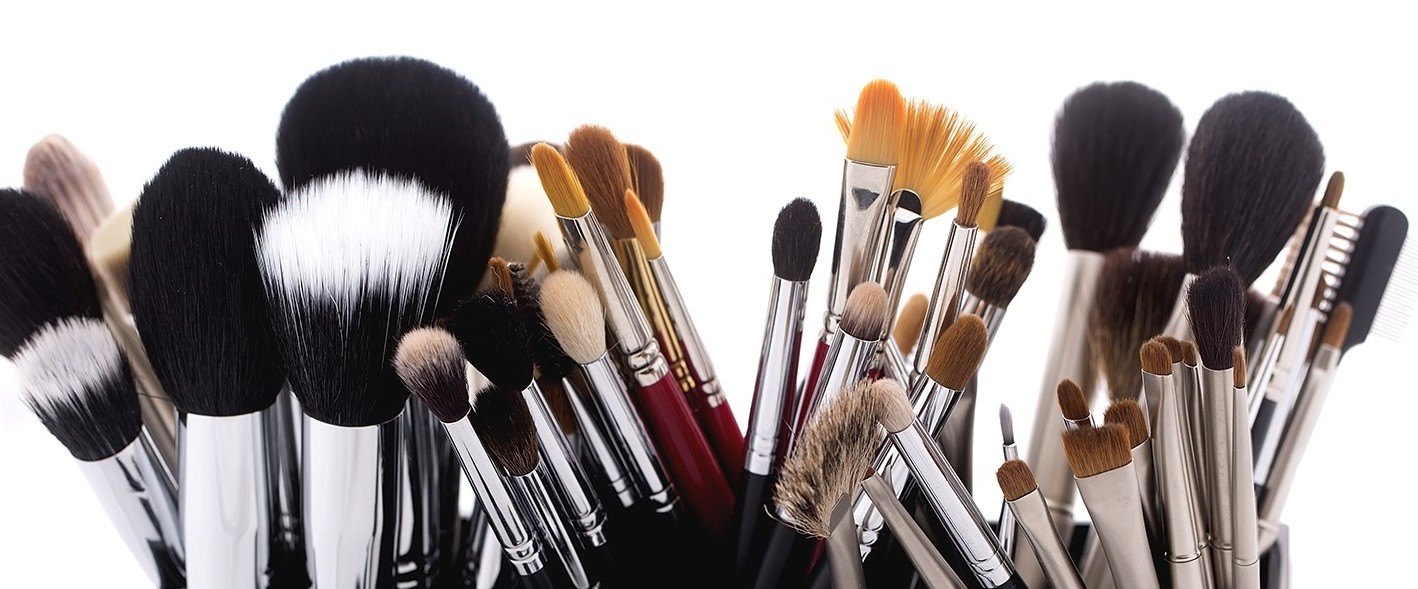
Shopping for make-up has never been more confusing. Drugstores, department stores, beauty retailers, and online shops offer an almost endless selection of products. New collections, trends, and innovations appear almost every day. Every brand promises flawless skin, longer wear, or an even more natural finish.
It’s no surprise that so many people feel uncertain. Which foundation is really right for my skin? Do I need several concealers? Is an expensive lipstick automatically better than an affordable one?
The variety has never been greater. Yet making the right choices has not become any easier.
More Products Do Not Automatically Mean Better Results
Many make-up bags contain products that are rarely—or never—used. They were purchased because someone recommended them, because they were trending, or simply because they looked appealing.
The real problem, however, is rarely the product itself.
What is often missing is an understanding of which products suit your face, your skin type, and your individual needs. Equally important is knowing how to apply them correctly.
Even the best product will not deliver the desired results if it doesn’t suit your skin or is applied incorrectly.
Without this understanding, it is easy to buy products that eventually end up forgotten in a drawer.
Price Is Not the Deciding Factor
Many people assume that a higher price automatically means better performance.
Of course, there are differences in quality. Premium products often contain finer pigments, more refined textures, and may offer better longevity.
However, what matters most is not how much a product costs, but whether it suits you and the way you apply your make-up.
Even the most expensive foundation will not produce a beautiful result if the shade or formula is not right for you. A high price does not necessarily reflect the quality of a product. Quite often, you are also paying for the brand name, marketing, or luxurious packaging.
At the other end of the price range, extremely inexpensive products are not always the best choice either. If lower-quality pigments or simpler formulations are used, coverage, wear time, and the overall finish may suffer. The best choice is therefore rarely found at either extreme of the price spectrum, but in a product that offers the right balance of quality, suitability, and value.
Even the Best-Known Brand Isn’t Always the Right Choice
Every brand develops products with its own characteristics. What works beautifully for one person may be completely unsuitable for someone else.
There is no single foundation, concealer, or eyeshadow that works equally well for everyone.
Your face—not the brand—should make the decision.
Knowledge Is Your Most Valuable Tool
The better you understand how make-up products work, the easier every purchasing decision becomes.
When you know:
- which products suit your skin type, face shape, and personal needs,
- which textures help create the result you want,
- which products you actually need,
- and how to use them correctly,
you shop more confidently, spend your money more wisely, and achieve better results.
Knowledge builds confidence.
Final Thoughts
Beautiful make-up does not begin with shopping.
It begins with understanding your products, the techniques, and your own face.
Once you understand the fundamentals, you no longer need to be influenced by every new launch or beauty trend. Instead of constantly buying more products, you make better decisions—and that is what truly makes the difference.
Because the most important tool in your make-up bag is not a brush, nor is it the most expensive foundation.
It is your knowledge of what truly suits you.
→ Would you like to make better make-up decisions—from choosing the right products to applying them with confidence? Learn more about my personalized make-up coaching.
Lies auch diese Beiträge:
>Make-up Directs the Eye: Why Good Make-up Is About So Much More Than Just Colour
>The 7 Most Common Make-up Mistakes Over 50 (and How to Avoid Them)


